
When prospective buyers evaluate a gated villa community, architectural elevations, marble flooring, and clubhouse square footage often dominate initial discussions. Yet, the real determinants of long-term property appreciation, electrical safety, and maintenance simplicity lie beneath the surface.
In standard residential layouts, overhead cables, tangled telecommunication lines, and transformer poles clutter streetscapes and pose recurring fire hazards during monsoon storms. At IL Valam (Yaazh Homes Phase 2) in Cheran Maa Nagar, Coimbatore, an entirely subterranean civil infrastructure network was engineered prior to casting the first foundation slab[cite: 2]. Here is how zero overhead wiring protects your investment and ensures uninterrupted reliability.
1. The Anatomy of Subterranean Utility Ducts
Underground cabling is not merely burying insulated wires under paver blocks. In a master-planned enclave of 24 independent residences, it requires compartmentalized, accessible trench engineering:
- Multi-Chambered Concrete Trenching: High-voltage power cables, telecommunications fiber optics, and low-voltage security feeds run through segregated PVC/HDPE conduit raceways beneath road curbs, preventing electromagnetic interference.
- Modular Inspection Chambers: Strategically positioned junction inspection pits allow technicians to service, pull, or upgrade cabling without digging up internal pavers or disrupting driveway access.
- Direct Villa Feeders: Each plot receives an underground branch conduit terminating directly into the villa's main distribution panel inside the sheltered 2-car parking bay[cite: 2].
2. Stormwater Percolation & Subsurface Drainage
Monsoon waterlogging is one of the most common causes of asphalt erosion and structural foundation settling in Coimbatore East. IL Valam eliminates surface accumulation through integrated road grading[cite: 2]:
The 33-foot wide internal circulation road is laid with high-density interlocking concrete pavers set over a compacted gravel sub-base[cite: 2]. Peripheral curb channels collect rainfall runoff and guide it through grease-trap filters into multi-stage groundwater recharge percolation shafts. This system prevents water accumulation outside villa entry gates and replenishes the deep aquifer table throughout the monsoon season.
3. High-Load EV Charging & Elevator Readiness
Modern luxury homes must anticipate future power consumption trends. Standard layout grids often struggle when multiple homes install Level 2 electric vehicle fast-chargers or home elevators simultaneously.
Each villa at IL Valam is engineered with dedicated high-load service lines supporting two sheltered parking bays with EV charge conduits, as well as structurally integrated vertical shafts ready for domestic elevator machinery[cite: 2]. The community's centralized transformer and silent diesel generator backup maintain voltage stability across all 24 villas without phase imbalances or brownouts.
4. Preserving Architectural Purity & Resale Premium
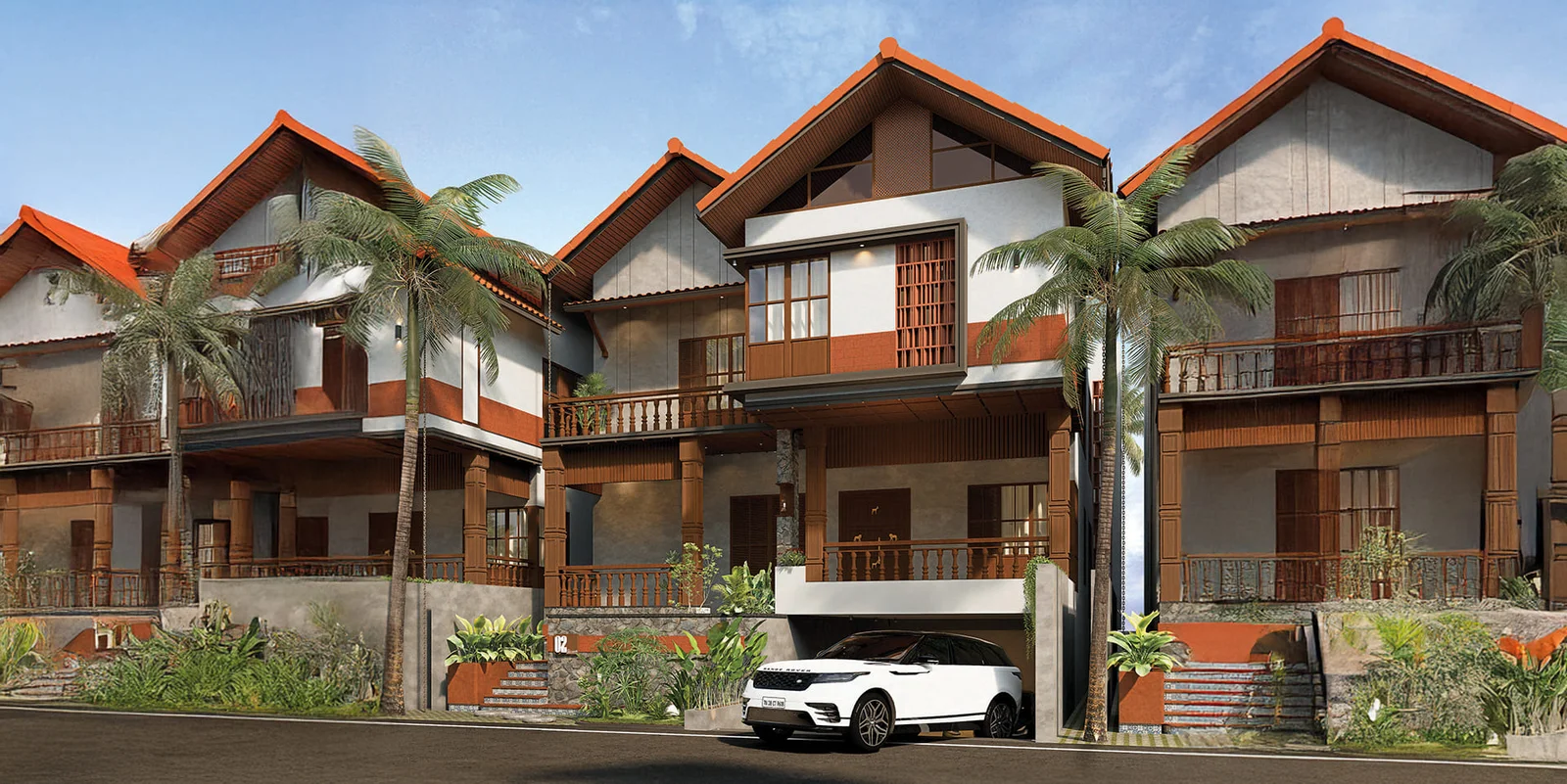
Beyond technical longevity, the visual impact of zero overhead wiring is transformative. Traditional terracotta roof tiles, carved wooden Thinnai pillars, and lush landscaped buffer zones are framed against an unobstructed skyline without unsightly wires draped across facade elevations[cite: 2].
This structural attention to detail defines IL Valam's commitment under TNRERA/11/LO/4087/2025, ensuring that key handovers in March 2028 deliver an enduring residential standard for Coimbatore[cite: 2].